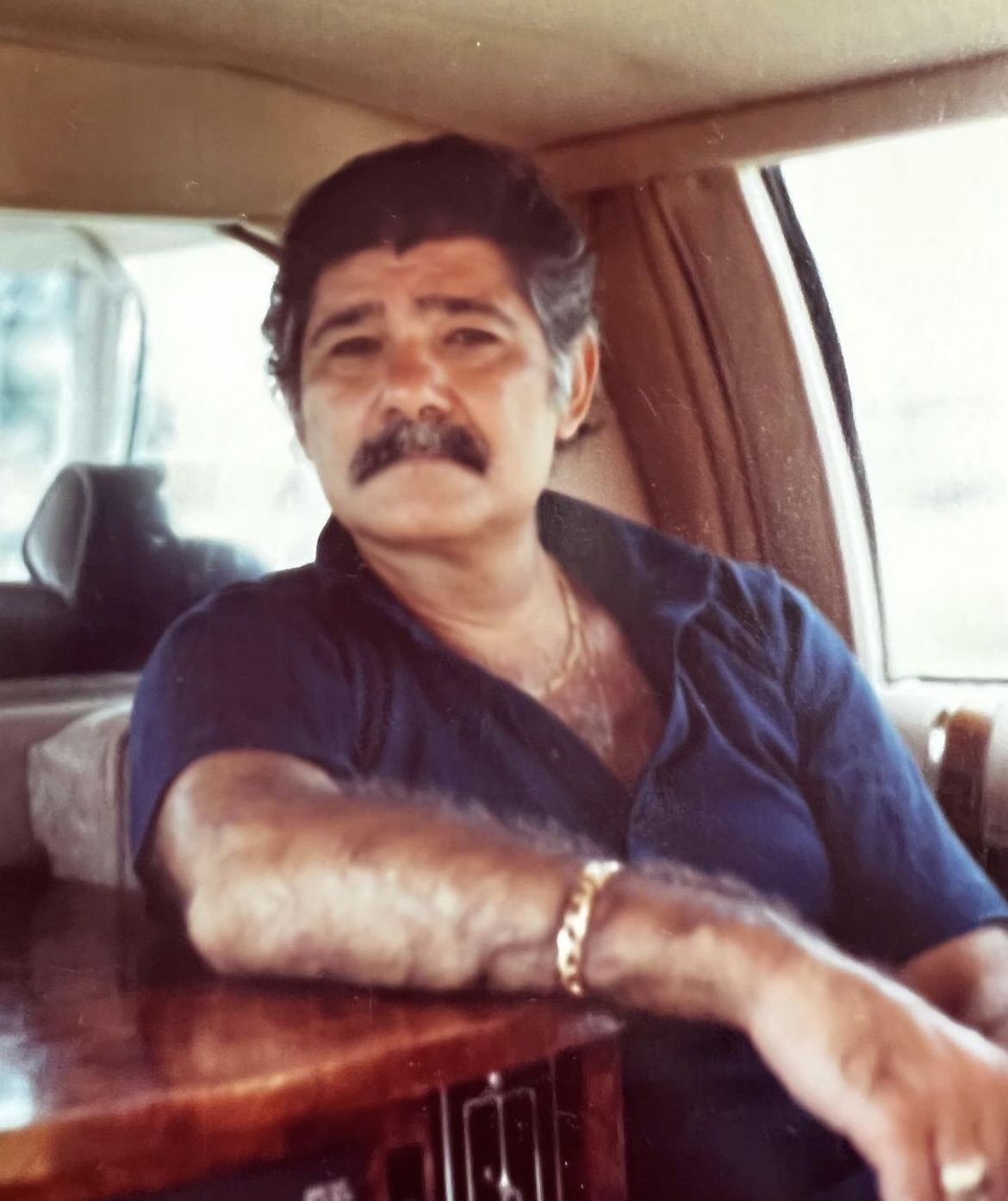
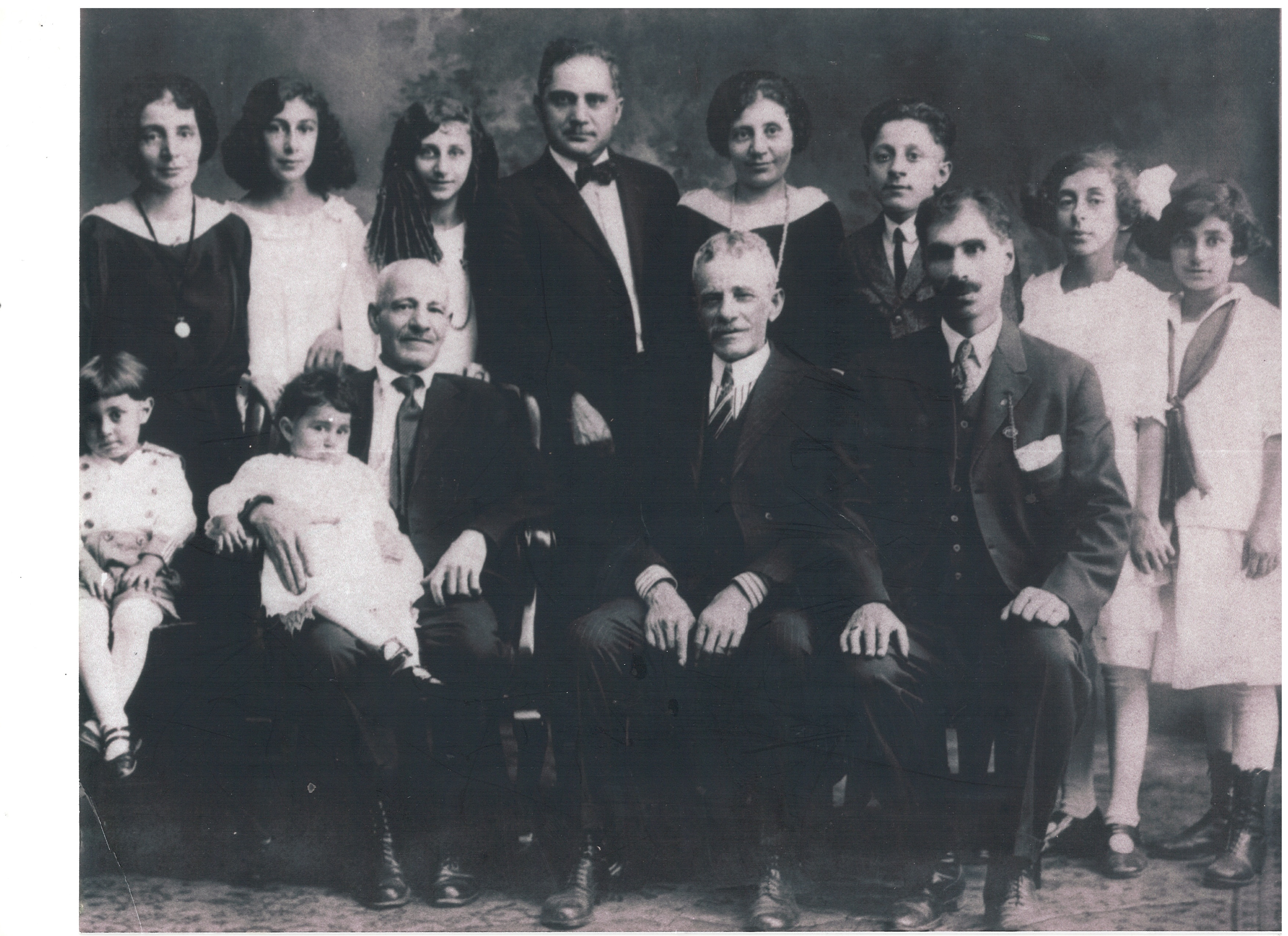
Robert M. Mardirosian was born on April 25, 1934, in Watertown, Massachusetts, to Zari and Dave Mardirosian. He grew up in a close-knit Armenian-American household where heritage was felt more than spoken — in the food, in the stories, in the particular pride of a family that had made something from nothing in a new country.
He was, from the beginning, a man of unusual gifts. He won a full scholarship to Calvin Coolidge College by demonstrating his memory to the dean — reciting back a hundred objects in sequence without hesitation, a skill he had trained himself to master as a teenager. He went on to Portia Law School, graduating cum laude, third in his class, in the spring of 1963. He passed the Massachusetts bar exam that November. What followed was not a career — it was a force of nature.
He served more than 2,000 clients across the Superior Courts of Suffolk, Essex, and Middlesex Counties, and briefly as Assistant District Attorney of Middlesex County under D.A. John J. Droney. He was known for his memory, his nerve, and his ability to read a room — gifts that made him a formidable presence in any courtroom.
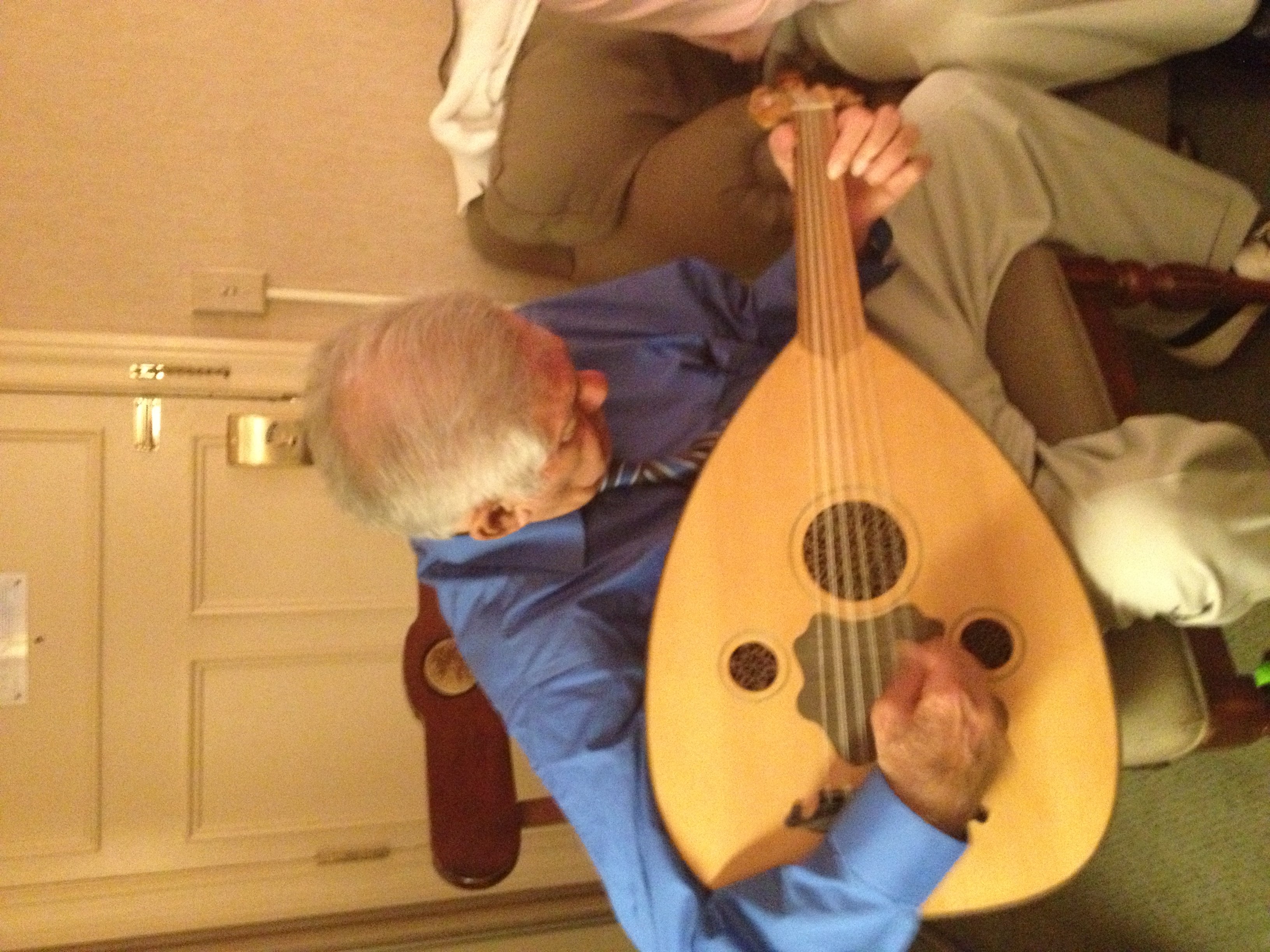
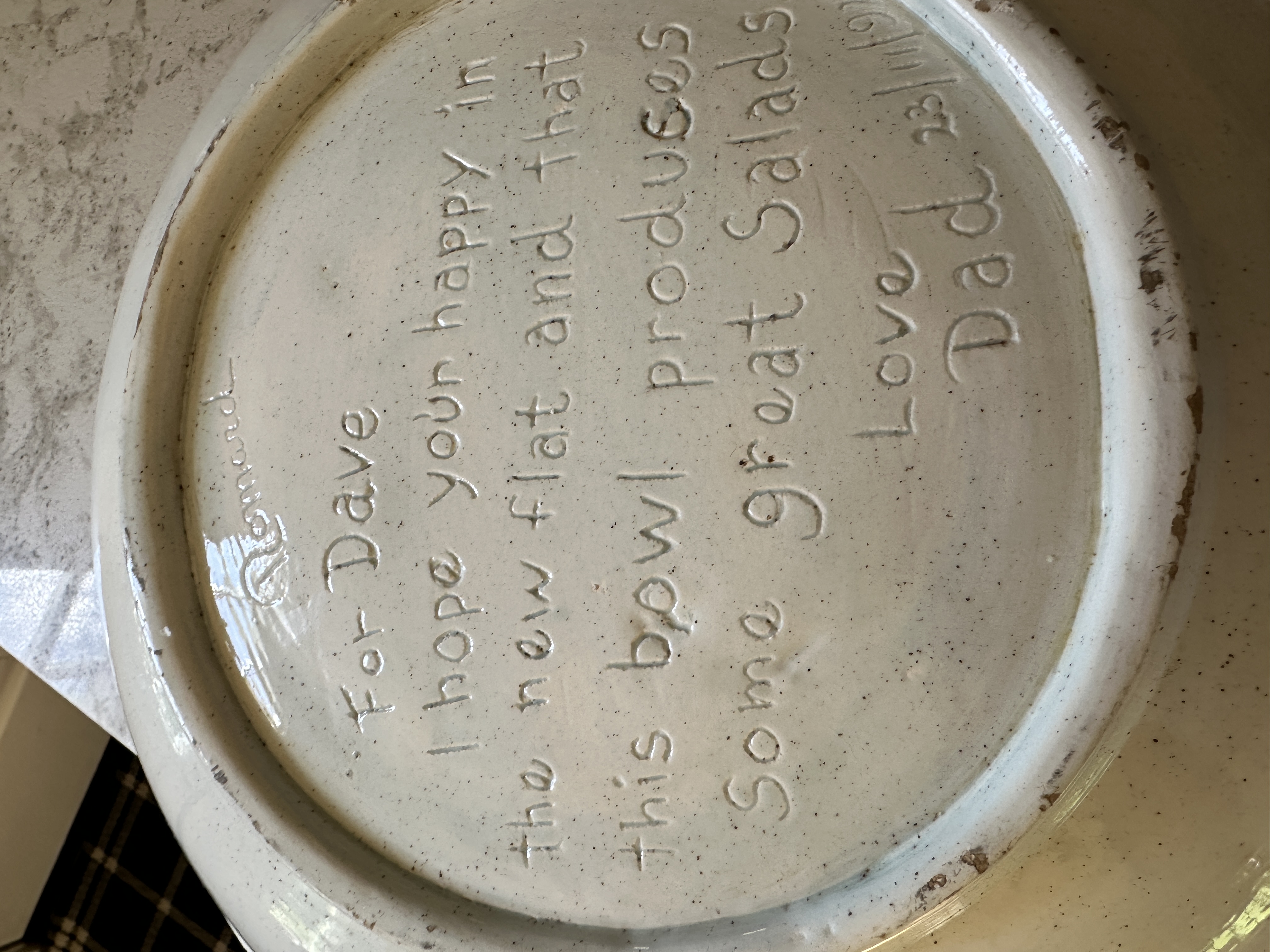
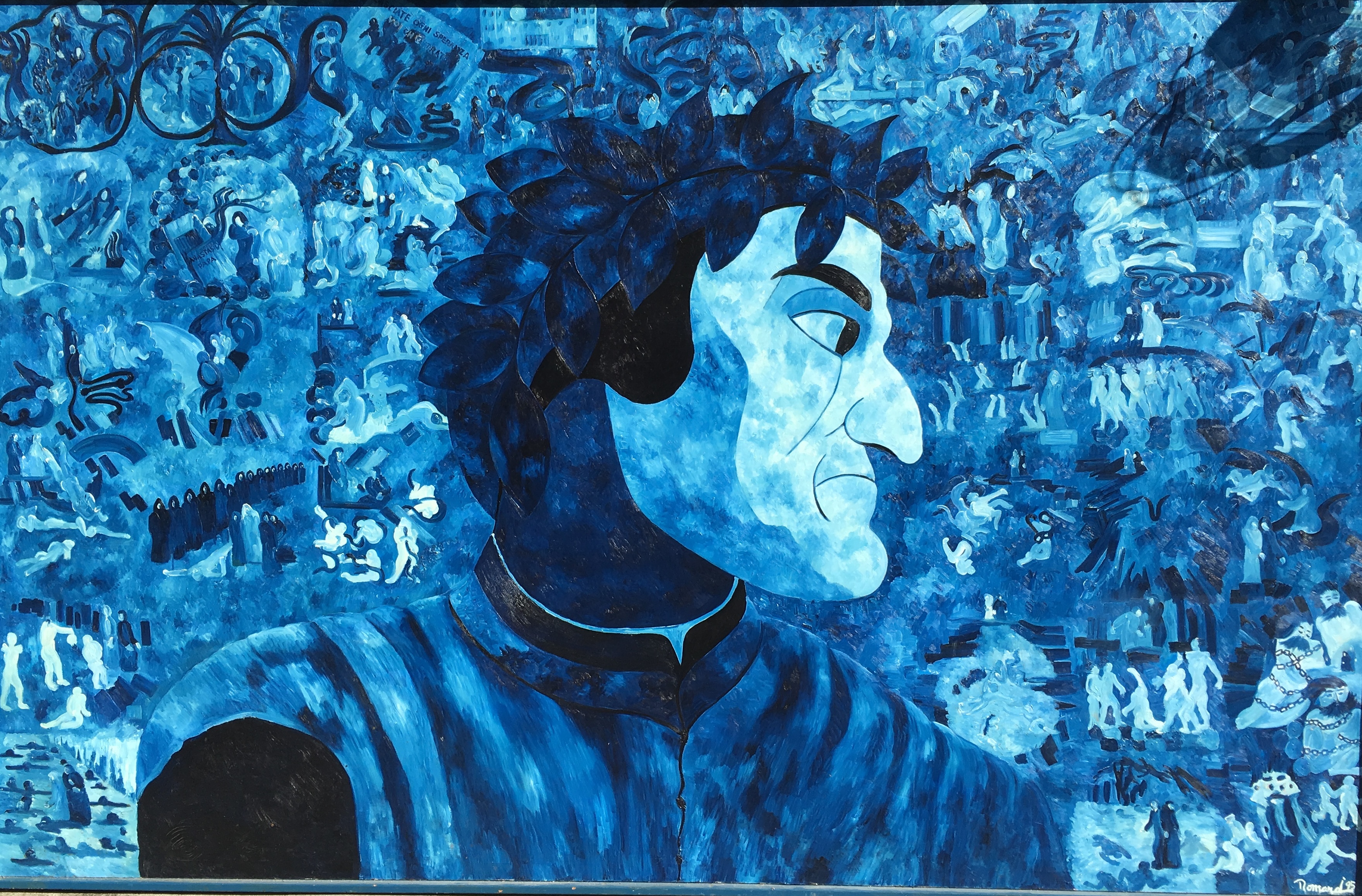
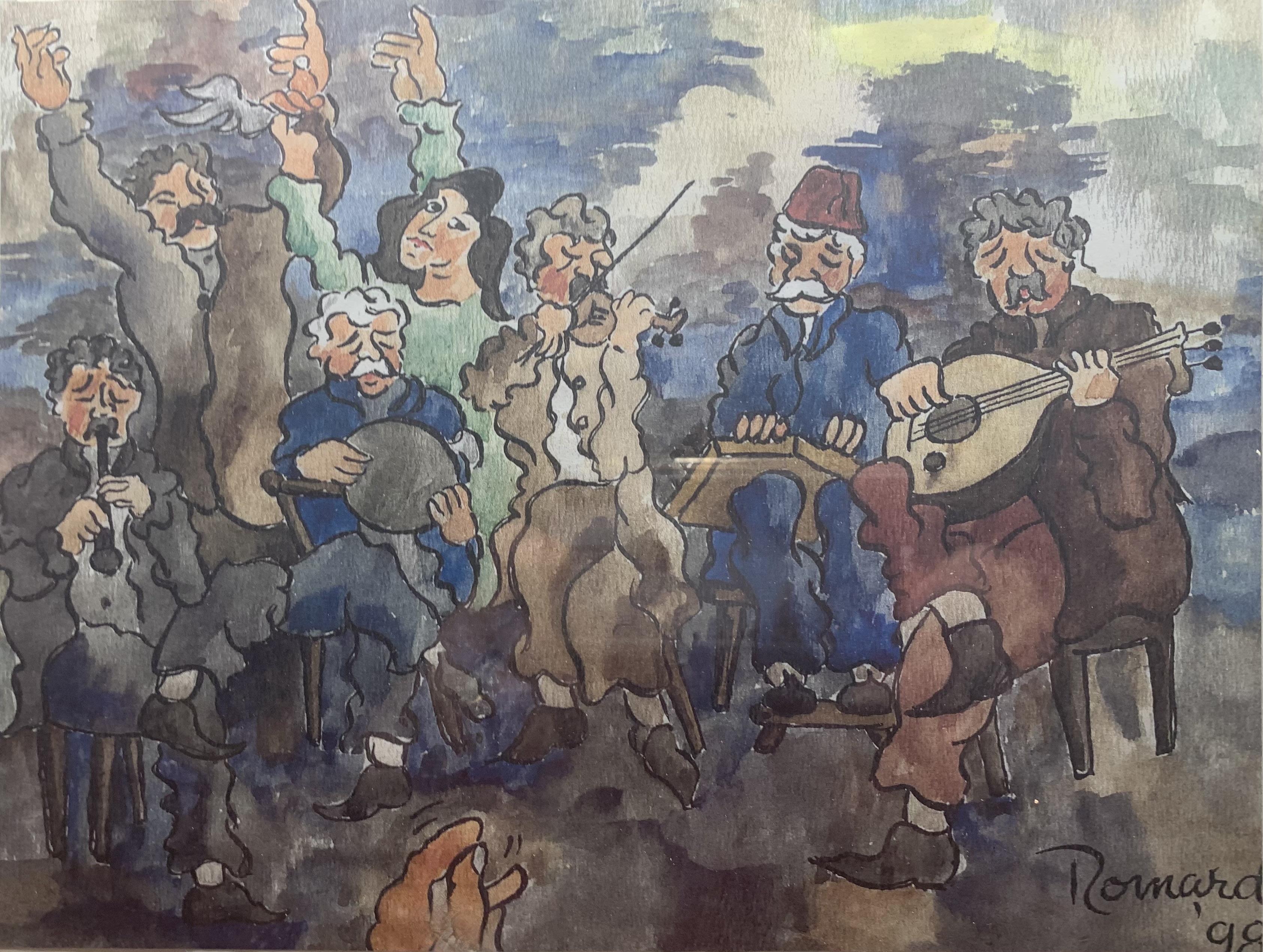
He was also, in another part of himself entirely, an artist. He painted and sculpted across six decades, signing everything with a single name: Romard. His work ranged from intimate watercolors and charcoal drawings to monumental figurative canvases — bold, emotional, alive with color and cultural memory. He taught himself to play the oud. He could spend an afternoon in the South of France as easily as he could spend one in a Suffolk County courtroom, and he was equally at home in both.
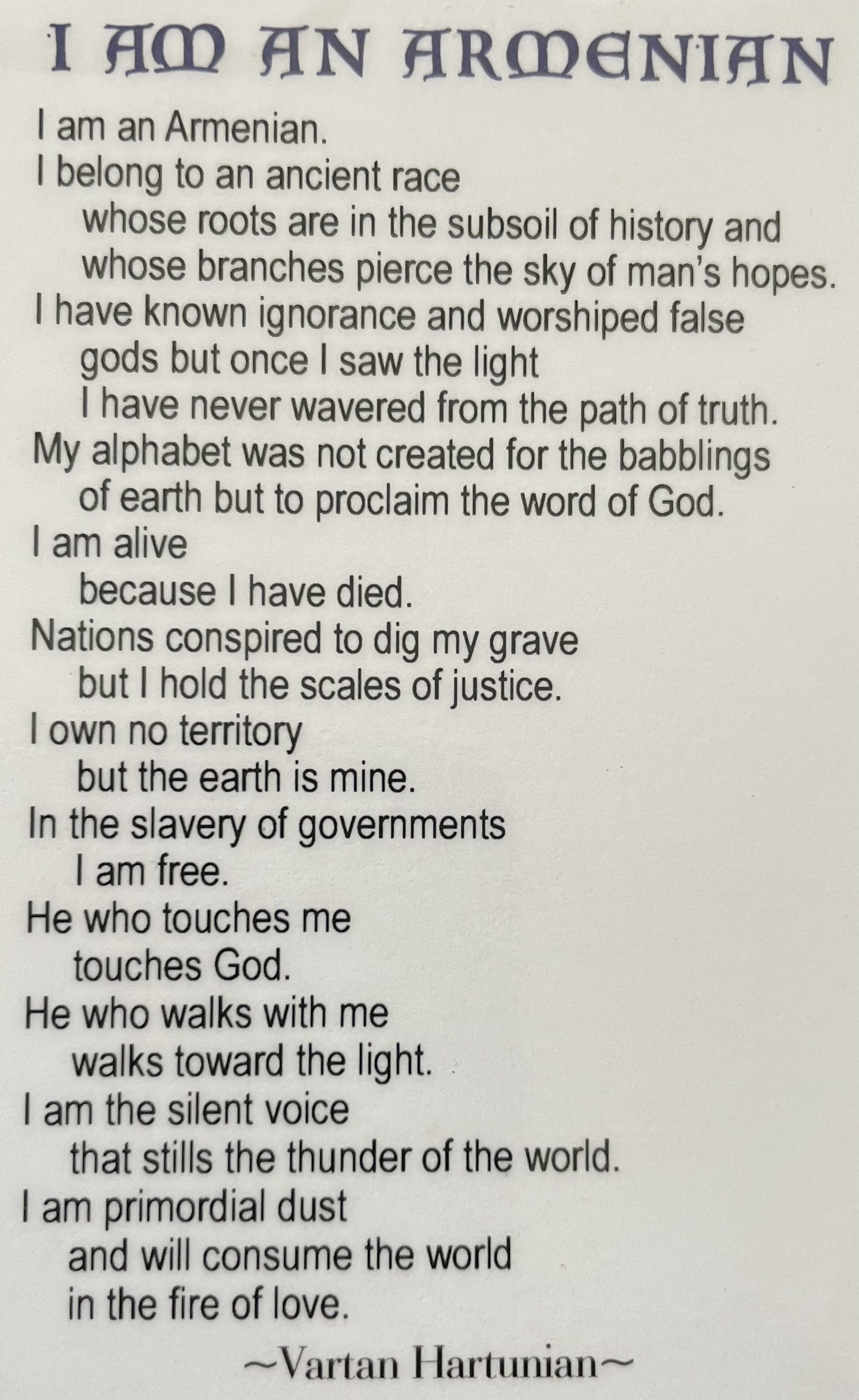
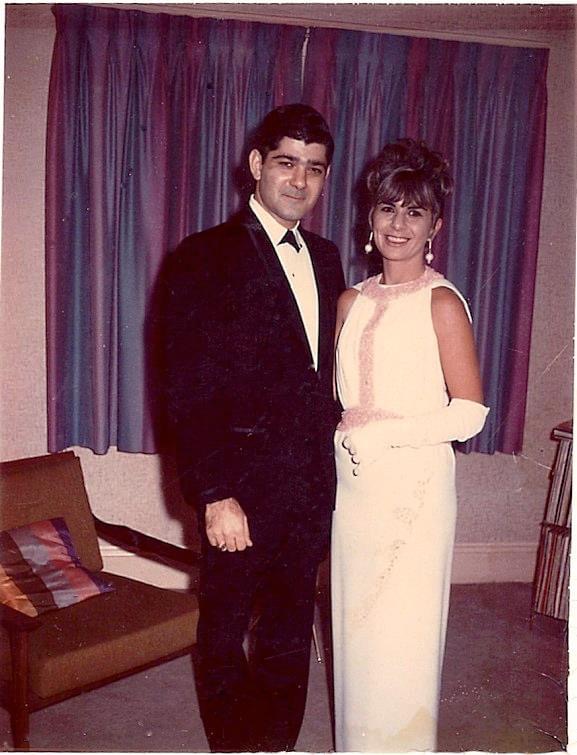
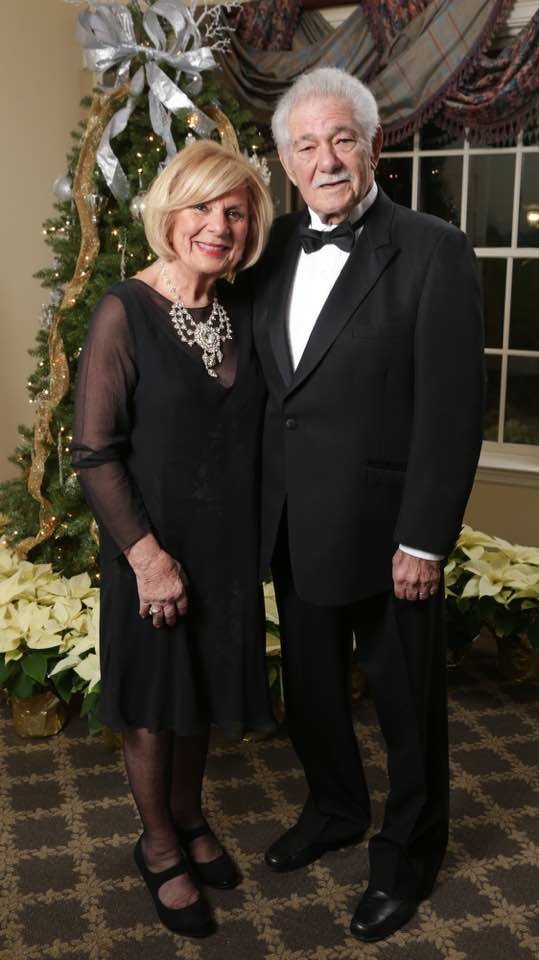
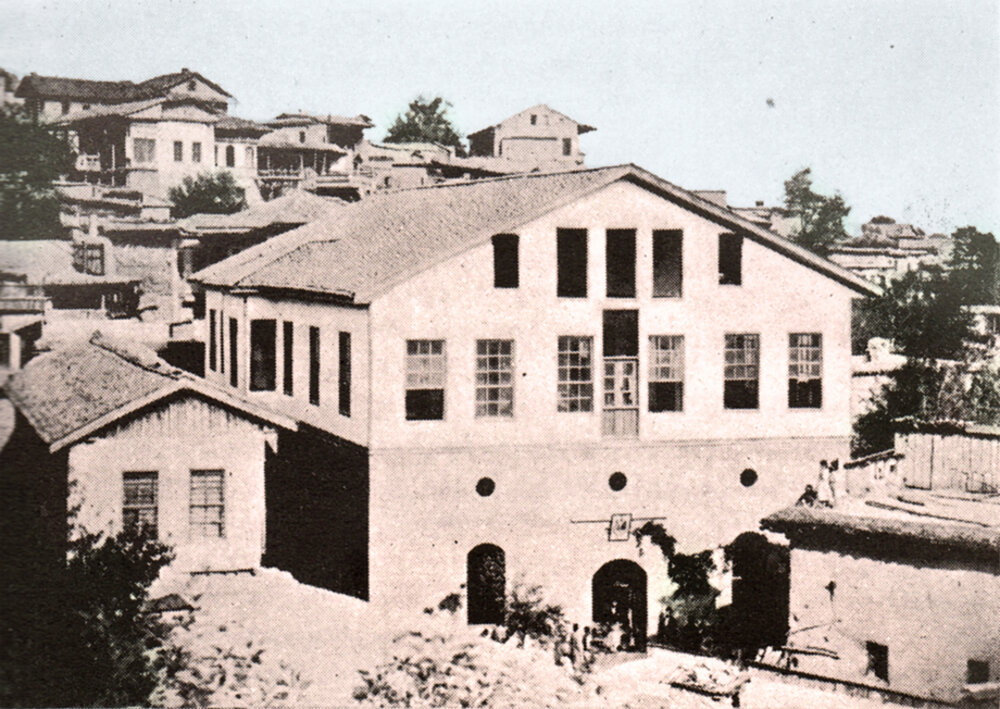
He married Madeleine Marie Seferian — a woman of quiet certainty, Armenian to her core, who stood beside him through everything and outlasted it all. Her father, Avedis Seferian, was born in Marash, Turkey, where he attended medical school in Constantinople on scholarship before being drafted into the Ottoman army. He survived the Armenian Genocide — through cunning, through kinship, through sheer refusal — and returned to Marash in 1920 to organize armed resistance, drawing on his military training to help women and children escape. Avedis carried all of that history without bitterness, and passed it to those around him as a source of identity, pride, and quiet steel. He shaped Bob more than Bob ever fully admitted.
Bob's closest friend was Levon — Leo — who arrived in Watertown from Iran as a young man and became, within weeks, inseparable from Bob. Leo was tall, measured, magnetic. Bob once said he looked like Gregory Peck. He became a civil engineer, married, had two daughters and a son, and eventually returned to Iran — where he died too young, in a world that had already changed beyond recognition. But the years they shared in Watertown, and everything that followed, left a mark on Bob that never fully lifted. He loved his family and his Armenian heritage, and had a particular fondness for rosé wine and long afternoons in the South of France — where, drawing on a remarkable memory, Bob had quickly become fluent in both French and Italian.
He died on April 1, 2022. He was 87 years old.
"In looking back at my life, I came to realize that after Leo died I began to live every day as though it was my last, because I knew that someday it would be."
— Robert M. Mardirosian, in his own hand